
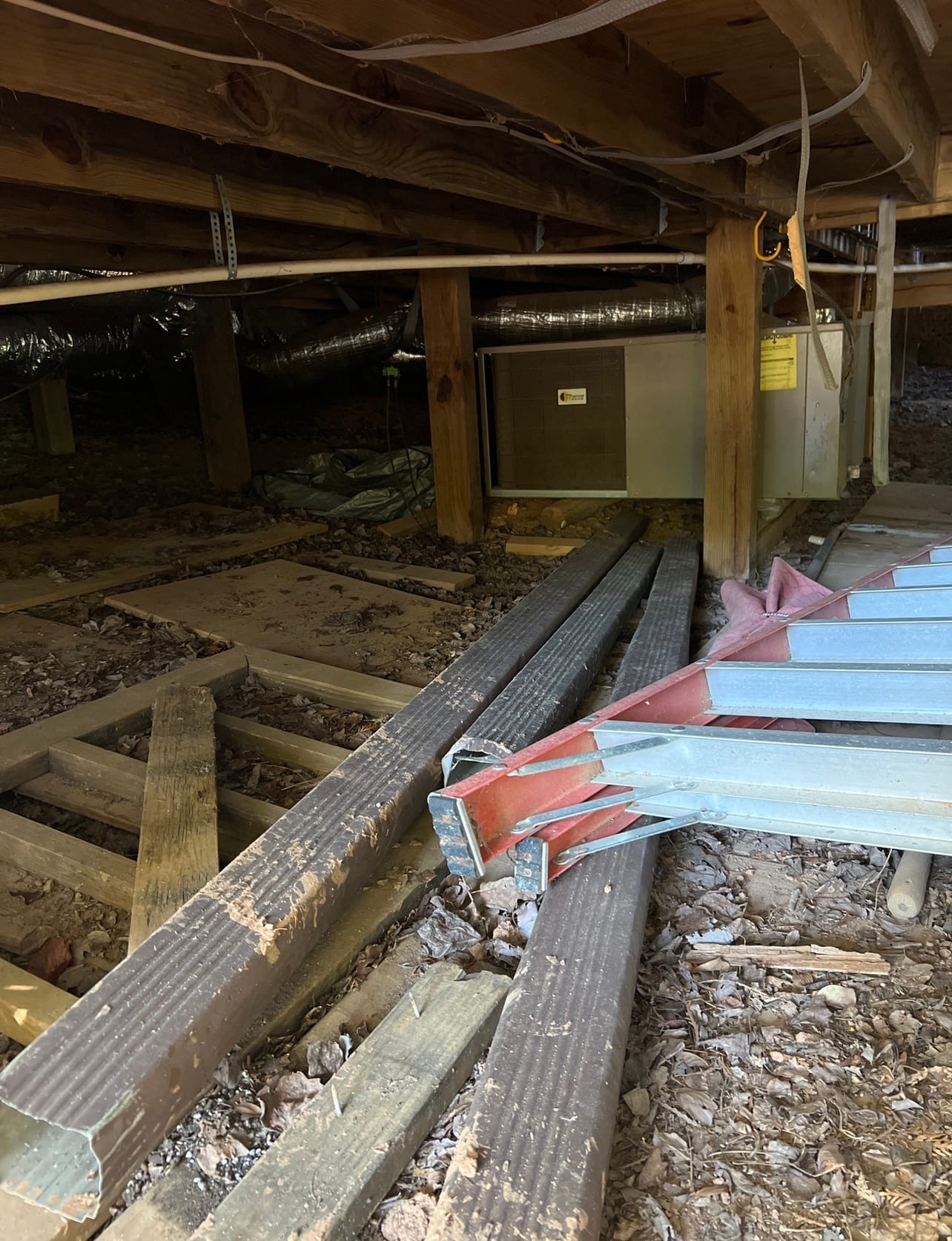
When you’re looking at a house, the crawlspace probably isn’t the first area you’re excited to see. However, it can be one of the most revealing parts of a home. A crawlspace can provide important information about the foundation, floor structure, plumbing, insulation, drainage and moisture conditions that may not be visible from inside the living areas.
For Georgia homebuyers, understanding crawlspace conditions is particularly important because moisture beneath a home can contribute to numerous problems. A professional Atlanta home inspection includes evaluation of visible and accessible areas of the property, which may include an accessible crawlspace.
1. Standing Water
Standing water is one of the most obvious crawlspace warning signs. Water can enter because of poor exterior grading, inadequate drainage, gutter problems, groundwater or plumbing leaks. When standing water is discovered, simply removing the water doesn’t necessarily solve the problem. The source of the moisture should also be identified and corrected whenever possible.
2. Excessive Crawlspace Moisture
A crawlspace doesn’t need to contain puddles to have a moisture problem. Moisture from exposed soil can enter the crawlspace as water vapor. Under certain conditions, moisture can also condense on wood framing, plumbing components and other surfaces. Persistent moisture can contribute to odors, damaged building materials and conditions favorable for microbial growth.
3. Missing or Damaged Vapor Barrier
Many crawlspaces have exposed soil beneath the house. A properly installed ground vapor barrier can help reduce the amount of ground moisture entering the crawlspace. During an inspection, we may observe missing vapor-barrier material, incomplete coverage, torn material or sections that have been moved away from the ground. The presence of a vapor barrier doesn’t guarantee that a crawlspace will remain dry, but ground-moisture management can be an important part of controlling crawlspace conditions.
4. Suspected Mold or Microbial Growth
Visible discoloration or suspected microbial growth may sometimes be found on floor joists, subflooring and other crawlspace materials. Moisture is usually an important factor when these conditions develop. That’s why correcting the underlying moisture source is just as important as addressing visible growth. Depending on the conditions observed, further evaluation by a qualified moisture or remediation professional may be recommended.
5. Wood Deterioration
A crawlspace may contain important structural components including floor joists, beams, sill plates, piers and portions of the subfloor. When wood components remain exposed to excessive moisture for extended periods, deterioration can occur. During a home inspection, visible structural components are evaluated for conditions such as deterioration, damage, unusual modifications and other concerns. Significant structural conditions may require further evaluation by a qualified professional.
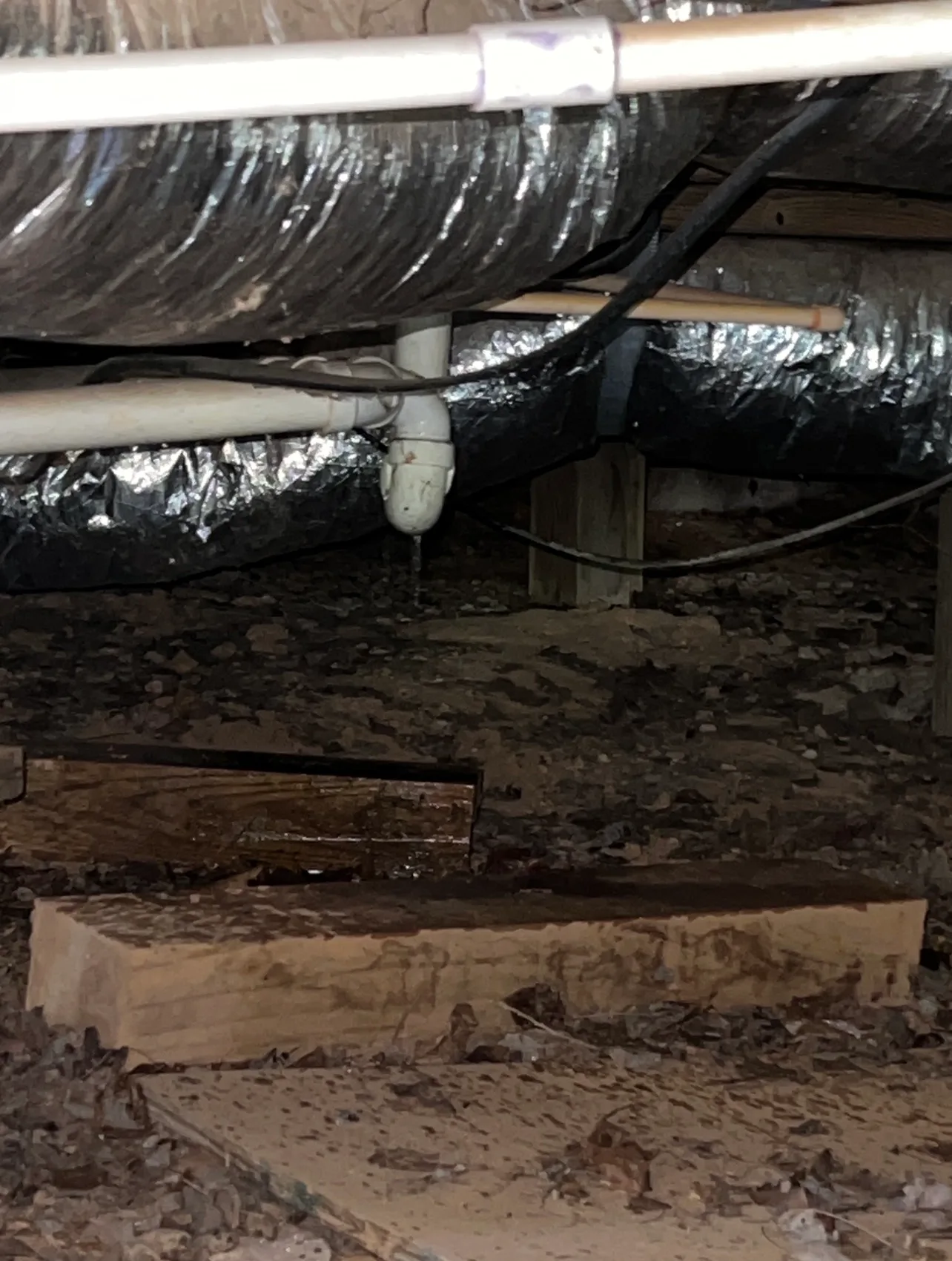
6. Plumbing Leaks
Many Georgia homes have water-supply and drain piping running through their crawlspaces. Because homeowners don’t routinely enter these areas, a small plumbing leak can sometimes remain unnoticed. Inspectors may discover active leakage, water staining, corrosion, damaged piping or other visible plumbing concerns. Fixing plumbing leaks promptly is important because the water can create additional moisture problems beneath the house.
7. Falling or Damaged Insulation
Insulation installed between floor joists can become loose, damaged or displaced. Falling insulation may expose portions of the floor system and can sometimes indicate that moisture or installation problems are present. During an inspection, damaged or missing insulation can be documented so the buyer understands areas that may require correction.
8. Foundation and Structural Concerns
One major advantage of an accessible crawlspace is that portions of the home’s structural system can be observed from underneath. An inspector may be able to evaluate accessible foundation walls, piers, beams, floor joists and subflooring. Cracks, movement, deteriorated wood, damaged supports, unusual repairs or improperly modified framing may warrant additional investigation. Not every crack or modification indicates structural failure, but significant conditions may justify evaluation by a structural engineer or other appropriately qualified professional.
9. Exterior Drainage Problems
Sometimes the source of a crawlspace moisture problem is actually outside the house. Improper grading can direct rainwater toward the foundation instead of away from it. Gutters and downspouts can also contribute to problems when they’re damaged, clogged, disconnected or discharge water immediately beside the foundation. This is why a professional inspection considers the relationship between exterior drainage and conditions observed beneath the house.
10. Previous Crawlspace Repairs
Home inspectors frequently encounter evidence that someone has previously attempted to repair or modify crawlspace components. Examples may include additional support posts, altered floor framing, repaired joists, plumbing modifications or moisture-control improvements. Previous repair work isn’t automatically a problem. However, unusual or improperly completed repairs deserve attention because they may indicate either a previous problem or an existing condition that wasn’t fully corrected.
Why Georgia Homebuyers Should Pay Attention to the Crawlspace
The crawlspace may be out of sight, but it shouldn’t be out of mind. Problems underneath the house can potentially affect the floors, foundation, plumbing, insulation and indoor environment above. This is particularly important when purchasing an older property or a home where there has been a history of drainage or moisture problems.
Don’t Skip the Home Inspection
A professional home inspection can help you understand the visible condition of the house before closing. The inspection isn’t designed to predict every future problem or guarantee that a house will never require repairs. Instead, it provides valuable information about conditions that were visible and accessible at the time of inspection.
If you’re buying a home in Atlanta or surrounding Georgia communities, review our home inspection services and pricing to learn more about what’s included. You can also learn more about Crimson Home Inspections and our experience inspecting residential properties.
Schedule Your Georgia Home Inspection
Don’t let the condition of a crawlspace remain a mystery until after you’ve purchased the house. Have the accessible crawlspace, foundation, plumbing, electrical system, HVAC system, roof, attic and other major components professionally evaluated before closing. Contact Crimson Home Inspections to schedule your inspection.